Around 2011 I switched from molecular biology to bioinformatics, since completing my PhD for many years I had been a
molecular biologist, up until that point all the computing I did was limited to microsoft windows. While working on a postdoc
on the genetic basis of hyperinsulinaemic hypoglycaemia my PI handed me
an external hard disk drive with some patient whole-exome sequence data. I took on the challenge, converted my desktop PC
to Linux and learned the command line and the myriad tools required to align sequence data, call variants and annotate them.
This led to the identification of some candidate genes, and I was hooked.
The next role I took on was as bioinformatician
for GOSgene, a team which processed genome sequences from clinical samples with the aim of identifying rare inherited disorders.
My knowledge of bioinformatics expanded to the use of high performance computing clusters, cloud computing and the use of workflow management systems.
I currently work for The Human Technopole National Facility for Data Handling and Analysis (NF-DHA) which is a new facility
that provides the Italian scientific community with access to high-performance computing resources and expertise in data analysis.
I currently develop the bioinformatics pipelines and data analysis workflows for the facility, which
supports a wide range of research projects in genomics, transcriptomics, proteomics, and other omics fields. What is exciting about this
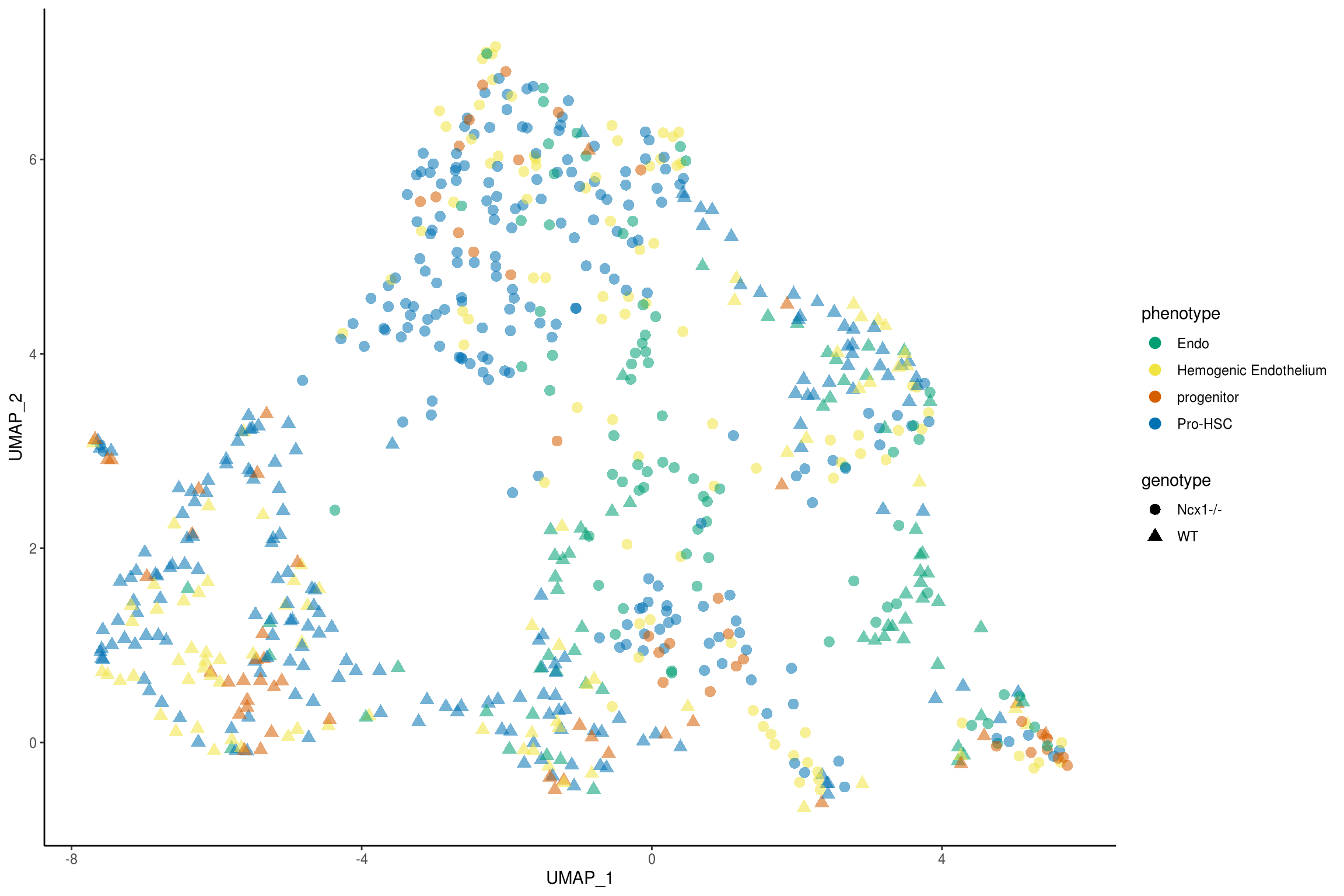
role is the diversity of the projects that I get to work on: Topics range from single-cell transcriptomics to population genomics,
from the survival of baboon species to cancer genomics.
AI, Machine learning and agentic programming
Artificial intelligence has offered a myriad of new methods of working and
I am very curious about exploiting it to improve our analyses. One example of what I am pursuing is in quality control.
I routinely process thousands of samples and on the whole they pass QC. Having seqera or openai ai tools examine them all would be costly.
I have created a script that surveys a MultiQC output and picks out the outliers, only the selected outliers are then submitted to the seqera or openai
agents to speculate about the reasons why they stand out. Another project that interests me is using machine learning to rescue
variant calls that have been rejected on the basis of quality by leveraging the hundreds of other samples that
have been processed the same way.
2019
Lots of data
During my time in the Sottoriva lab, in order
to standardise and make their processing more efficient, I introduced the Nextflow pipeline system to their
data processing and analysis. As well as all the analyses, data needs organising, so one of my tasks was to ensure that the pipelines
output the files in a logical structure and a database is used to track the samples, their metadata and the processing status.
It occurred to me that a simple json schema which is easy to access and update would be a suitable solution for this
scale of data handling.
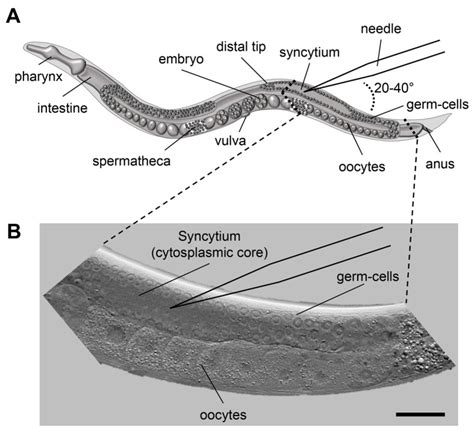
C. elegans anatomy and germline microinjection.1999
My PhD Project
This was a speculative project searching for a novel neurotransmitter protein.
Diverse methodologies were employed including molecular biology techniques including southern blotting and microinjection of
constructs into the model organism C.elegans.
03 / hobbies
Outside work
Languages
I have a passion for languages and have studied several over the years. Learning Italian gives me a window into the culture,
at lunchtime at work my colleagues can relax and chat in Italian and I can join in. It also gives me
an opportunity to read books in their original language letting me appreciate some of the nuances that may be lost in translation.